

Kendrick Lamar’s journey from a young, observant writer in Compton, California, to becoming one of hip-hop’s most critically acclaimed and influential voices defines a career marked by profound lyricism, daring artistic evolution, and potent social commentary. Born Kendrick Lamar Duckworth in 1987, he began rapping as “K-Dot,” releasing several mixtapes that caught the attention of Top Dawg Entertainment (TDE), which he signed with in 2005.
Lamar’s official debut studio album, Section.80 (2011), offered a vivid, introspective look at the trials and tribulations of the “post-crack generation.” This was quickly followed by his major-label breakthrough, good kid, m.A.A.d city (2012), a conceptual narrative dubbed a “short film” about his formative teenage experiences in Compton. The album, which featured hits like “Swimming Pools (Drank),” garnered critical raves and seven Grammy nominations, establishing Lamar as a serious storyteller with commercial appeal. His ability to weave complex autobiographical and societal narratives cemented his place as a leading figure in a new era of hip-hop.
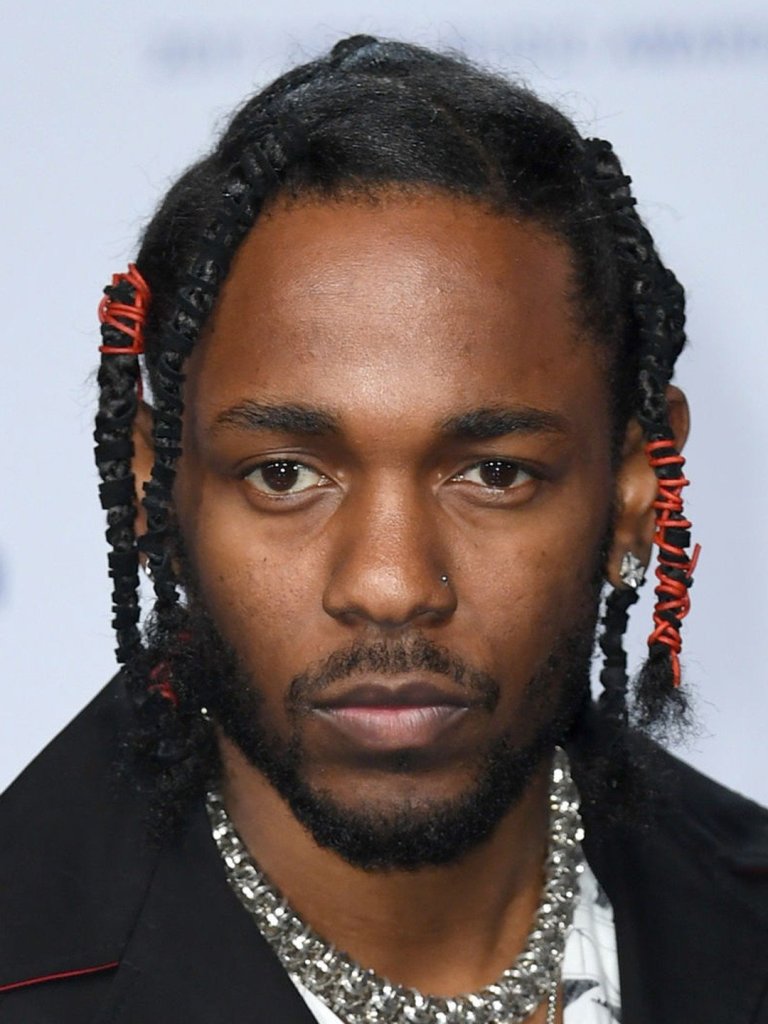
Lamar’s third studio album, To Pimp a Butterfly (2015), was a seismic shift. Blending hip-hop with jazz, funk, and spoken word, the album was an intricate, politically charged meditation on Black identity, racial injustice, and the burdens of fame. It was a dense, ambitious masterpiece that broke streaming records and earned him five Grammy Awards, including Best Rap Album. Songs like “Alright” became anthems for the Black Lives Matter movement, showcasing his immense cultural power.
He followed this with DAMN. (2017), a more concise, immediate, and commercially successful project that explored themes of spirituality, personal flaws, and the dualities of life. It yielded his first solo No. 1 hit, “HUMBLE.,” and, most significantly, made him the first non-classical or jazz artist to win the Pulitzer Prize for Music, a landmark recognition of hip-hop’s artistic merit.
After curating and executive producing the soundtrack for the film Black Panther (2018), Lamar returned after a five-year hiatus with Mr. Morale & the Big Steppers (2022). This highly anticipated, deeply personal album delved into themes of generational trauma, therapy, and self-acceptance, signaling a new chapter of vulnerability and introspection. His total accolades now include 22 Grammy Awards, a testament to his consistent output of high-quality, impactful music.
Kendrick Lamar’s career is defined by an unwavering commitment to artistic integrity over commercial compromise. He is revered for his technical mastery—complex rhyme schemes, diverse vocal inflections, and layered storytelling—which elevates his work beyond entertainment to profound social and psychological commentary. Lamar has not just made great music; he has successfully merged the conscious rap tradition with mainstream success, influencing a generation of artists to pursue complexity and depth in their work. He remains a vital cultural figure whose discography serves as a powerful, unflinching chronicle of contemporary American life.
 VENTS MAGAZINE