
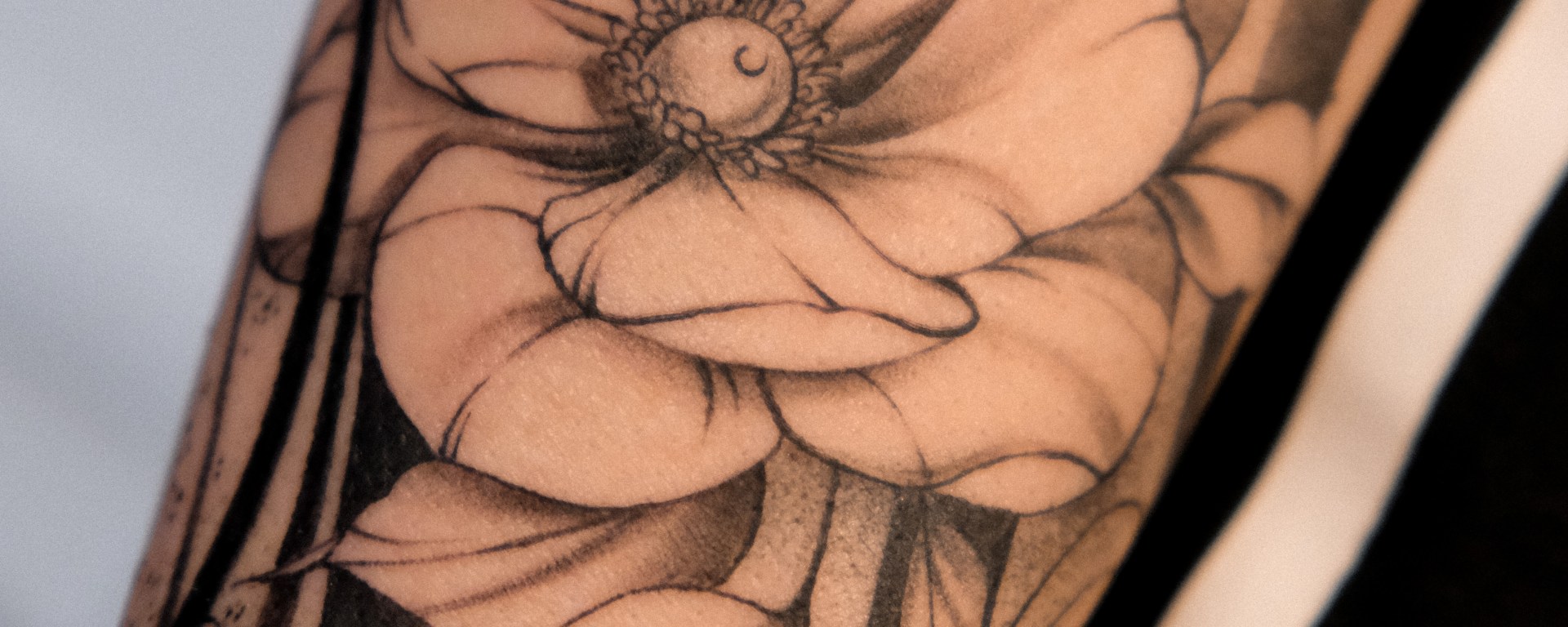
For a long time, tattooing was often perceived as a spontaneous decision — an image chosen quickly, based on visual appeal or a passing impulse. A client would select a design, place it on the body, and the process would end there. While tattoos have always carried personal significance for some, the industry itself did not always encourage deeper reflection or artistic dialogue.
Today, this relationship has noticeably changed.
Modern tattoo culture is increasingly defined by intention. For many people, getting a tattoo is no longer about simply placing an image on the skin, but about understanding what that image represents, how it interacts with the body, and how it will be perceived over time. Tattoos are now approached as long-term aesthetic and emotional decisions — ones that remain relevant not only in the moment, butyears later.
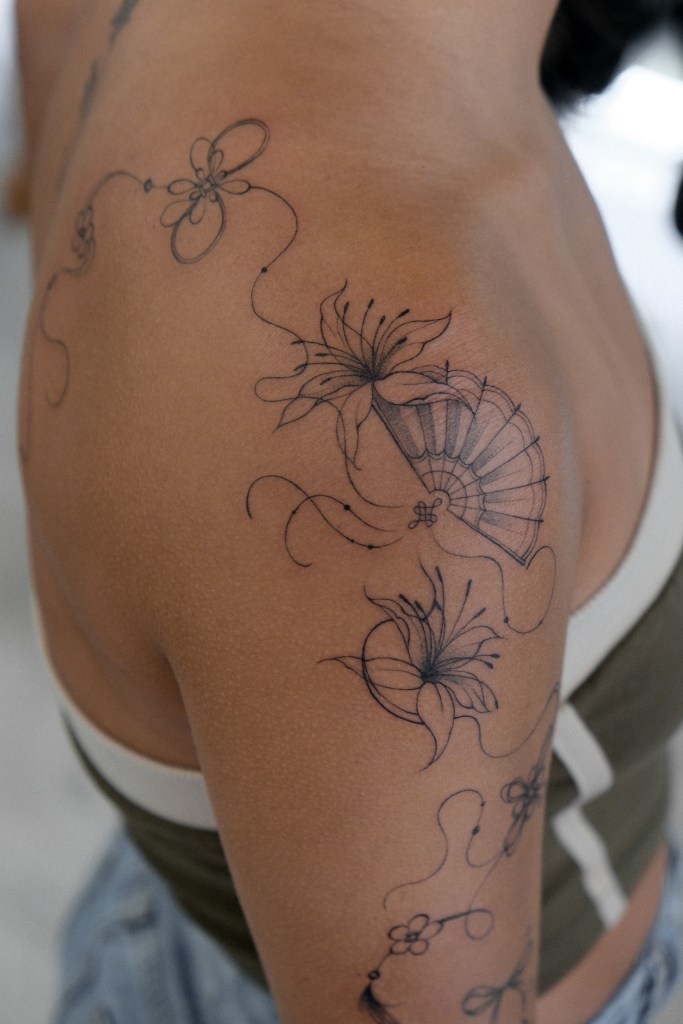
This shift is especially visible in studios that prioritize artistic development and conceptual work. At Last Century Tattoo, a tattoo studio based in Charlotte, North Carolina, tattooing is treated as a collaborative creative process rather than a transactional service. The work begins with conversation, not selection— allowing artists to understand the client’s ideas, emotional state, and personal context before any design is created.
In this approach, the tattoo becomes more than a decorative element. It is understood as an art object that will live on the body, interact with movement, age alongside the person, and evolve visually overtime. Composition, placement, and balance are considered just as carefully as the imagery itself. A successful tattoo is not only visually appealing on the first day, but continues to feel harmonious and meaningful as years pass.
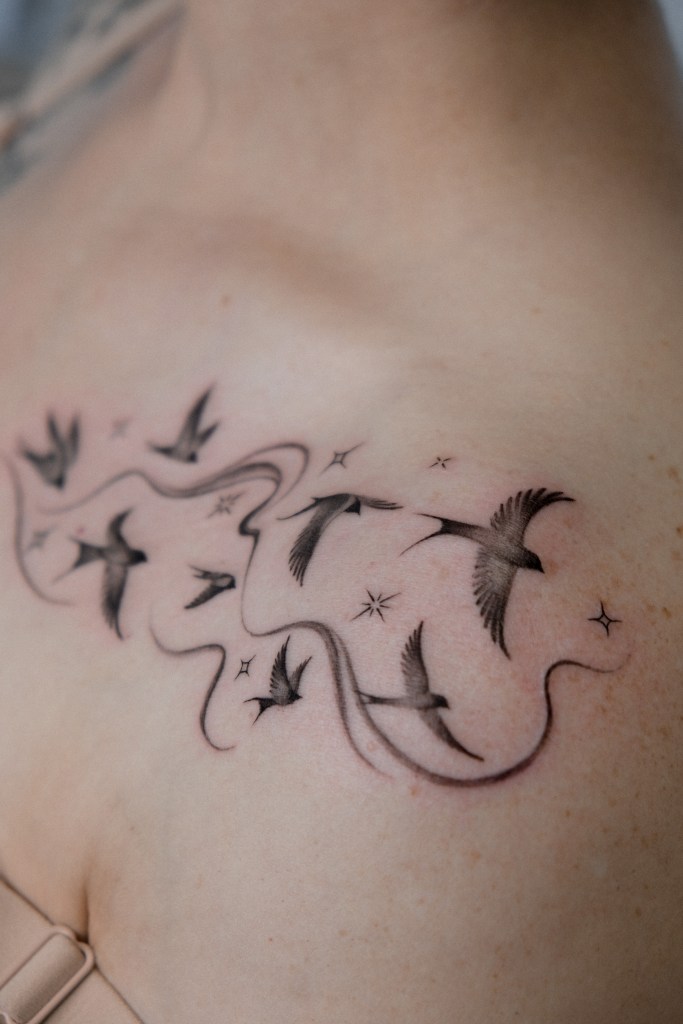
The role of the tattoo artist has also evolved. Contemporary artists are expected to do far more thanexecute technical skills. Continuous learning has become essential — from studying visual arts and composition to attending festivals, exhibitions, and professional gatherings that expand artistic perspective and visual awareness. Developing taste, restraint, and aesthetic sensitivity is now just asimportant as mastering technique.
This emphasis on artistic growth reflects a broader transformation within the industry. Tattooing increasingly intersects with fine art, design, and contemporary visual culture. Artists draw inspiration not only from tattoo traditions, but from architecture, illustration, sculpture, and graphic design. As a result, tattoos are created with a deeper understanding of form, proportion, and long-term visual integrity.
At studios like Last Century Tattoo, this philosophy translates into a slower, more thoughtful process. Rather than replicating popular images or trends, artists focus on creating work that aligns with the client’s identity and personal narrative. Each tattoo is designed to enhance the individual — not to overpower the body, but to complement it.
This evolution signals a clear change in how tattooing is perceived. What was once a quick aesthetic choice is now, for many, an intentional artistic collaboration. Tattoos are no longer just images placedon the body — they are meaningful visual statements, shaped by creativity, awareness, and time.
 VENTS MAGAZINE