

For years, Peat Hicks was the rhythmic engine of the UK rock scene. As the drummer for powerhouse bands like Exit State and Breaking Waves, his career was defined by the kinetic energy of live performance—six studio albums, three live records, and a relentless touring schedule that spanned the UK and Europe. But after a lifetime of providing the heartbeat for others, the music stopped. What was intended as a brief hiatus from the road evolved into a profound creative transformation.
A New Architecture of Sound
Stepping away from the stage lights allowed the dust to settle, and in that quiet, Hicks found a new calling. He didn’t reach for his drumsticks; instead, he found himself drawn to the “glow of the mixing desk.” This shift from performer to producer changed his entire relationship with music.
Behind the console, Hicks discovered a passion for the inner architecture of a song, learning to sculpt emotion rather than just drive it.
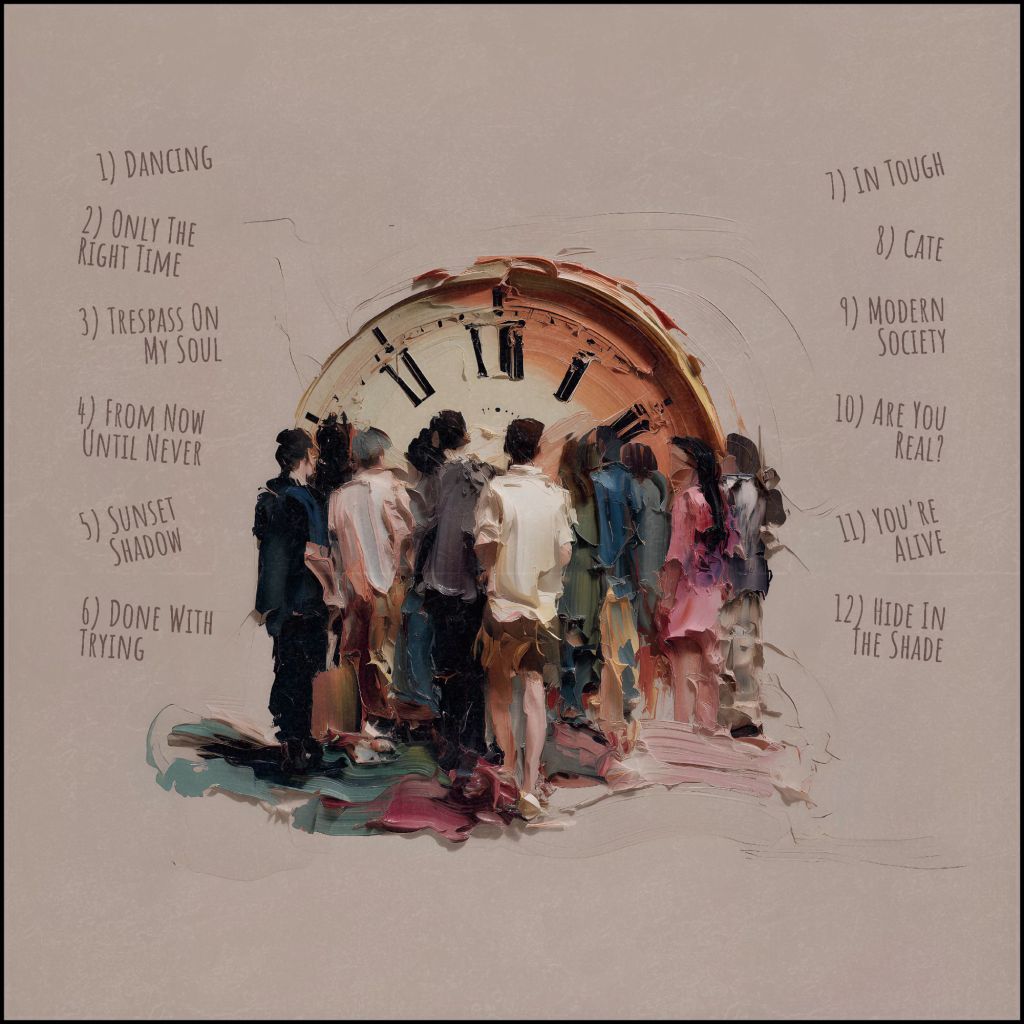
This period of introspection led to the realization of a teenage dream: a solo project where he would serve as the writer, performer, engineer, and producer. While the album features organic collaborations that arose naturally, the core of the work is a singular vision—an intimate and expansive debut shaped by the honesty that only arrives when you finally sit with yourself.
The Concept: But For How Long?
Hicks’ debut solo album, “But For How Long?”, is a deeply philosophical exploration of time and the human condition. It focuses on the quiet moments that define our lives—the ones we rarely recognize until they have already slipped into memory.
Musically, the record is a sophisticated blend of rock and pop foundations layered with subtle electronic textures. To ground the sound in a raw, classic feel, Hicks drew heavily from Keith Richards’ iconic five-string guitar tuning, weaving that grit into the modern, pop-leaning sensibilities of artists like The 1975 and Bleachers.

Themes and Visuals
The album doesn’t shy away from the complexities of the modern psyche. Across its twelve tracks, Hicks explores:
* The Duality of Experience: The fragile line between genuine happiness and fleeting pleasure.
* Mental Health: Navigating grief, anxiety, and the frustrations of a world that refuses to slow down.
* Gratitude: The simple, profound realization of being alive.
The artwork serves as a visual companion to these themes, portraying two parallel timelines in a single life. One path is grounded in self-awareness and wellbeing; the other is shaped by procrastination and the weight of unacknowledged mental health struggles. It is a striking representation of a mind trying to make sense of itself.
 VENTS MAGAZINE