
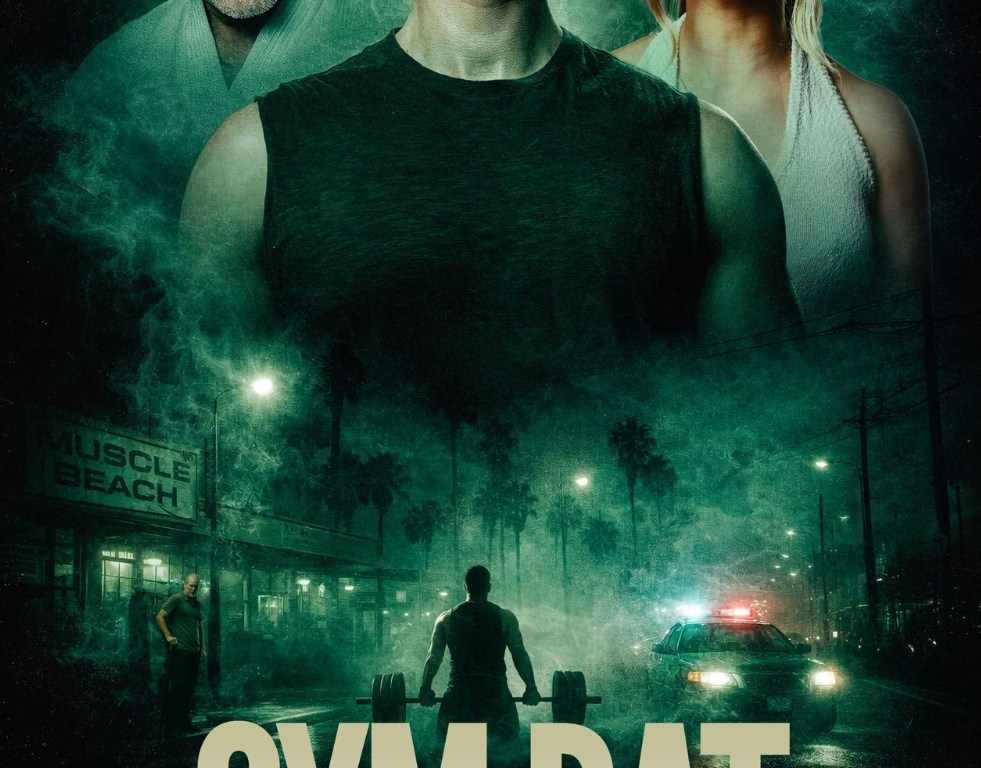
Boilerplate:
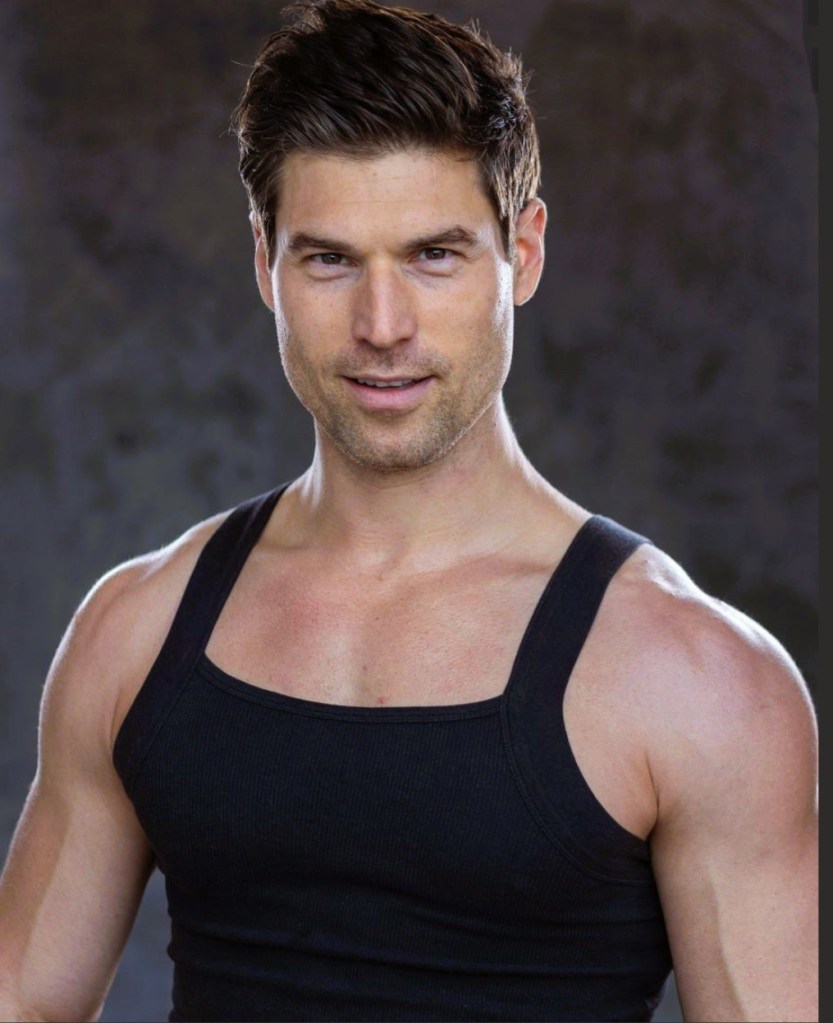
Josh Murray was born on Long Island and raised in the Washington D.C. area, coming from a film family — his father worked in Hollywood as both a producer and screenwriter. When health issues and chronic pain derailed earlier pursuits in fitness and technology, he turned to acting, booking a short film on his very first audition. His breakthrough came with National Geographic’s Killing Lincoln (2013), executive produced by Ridley Scott and narrated by Tom Hanks, which won three Primetime Emmy Awards. Other credits include Wish You Well (2013), NBC’s Revolution, Taxi Brooklyn, The Reliant (Netflix Top 10), Inheritance (Netflix, alongside Lily Collins and Simon Pegg), Fox Nation’s Christmas at The Greenbrier (2022), and a recurring role on General Hospital. Most recently, Murray stars as Lonnie Milsap in Gym Rat (2026) — a dark psychological thriller written and directed by Korstiaan Vandiver — earning Best Actor at the Beverly Hills Film Festival. Murray also serves as a producer on the film, which co-stars Mariana Paola Vicente, Greg Orvis, and Lou Ferrigno. Outside of acting, Josh is an avid hiker, snowboarder, sailor, certified scuba diver, and trained musician — piano, Irish flute, and tin whistle

1.Lonnie is someone the system has already written off once. When you read the script, what made you believe audiences would invest in a guy who, on paper, probably shouldn’t get a second chance?
Because underneath all the damage there’s sincerity and vulnerability in him. Our writer/director Korstiaan Vandiver shared his vision from the get-go that the film was meant to test people’s limits in giving him the benefit of the doubt. That some people would be tempted to judge the character and write him off completely like most of the other characters in the movie do. Lonnie has made bad choices and hurt people, he’s someone who was never equipped to process his pain in a healthy way. But he’s also always teetering on the edge of his potential to change and the ambiguity of what’s real. I think that fight between who someone is and who they could become is always compelling. Kors and I never wanted him to feel sanitized or easy to excuse. The humanity comes from the fact that he’s struggling forward imperfectly and the suspense is in the question of whether he will choose the right path.

1.Gym culture has this very public, almost performative side — the flex, the grind, the transformation photos. How does Gym Rat use that culture as a backdrop to expose something darker underneath all that self-improvement language?
100%. Lonnie has been performing his whole life to fit in, to survive. And he takes it to the extreme when it comes to fitness. The gym can absolutely be a place of healthy discipline and growth. But when you substitute image and results for your identity, it becomes a mask. His self-improvement has become unbalanced to the point of obsession. Lonnie is trying to build himself into someone strong enough that he no longer has to feel powerless or rejected. The physique becomes both his armor and proof of his value. And that’s the danger zone, when your worth becomes tied to earning or maintaining that image instead of a reflection of who you really are.
3.At what point in the story does Lonnie’s anger stop being a survival tool and start becoming the thing that threatens to destroy him?
Lonnie has relied on anger since he was young to drive him to overcome weakness and pain. And it’s also a safety blanket against the threat of danger. It’s part of why he idolizes Lou Ferrigno and is so drawn to the character Lou is best known for. But the core tenant I based my approach to the story was that the greatest mark of strength in a man is being able to tame your own temper and that’s something Lonnie is slow to learn. Once anger goes from his motivation for overcoming injustice and humiliation and becomes a weapon of self-punishment and an excuse to take out his feelings on others, he starts to become the monster.

4.How does the film show the way predatory people specifically target someone like Lonnie — is it opportunism, or does Phillie actually understand him?
I think Phillie does understand Lonnie in certain ways, which is what makes him dangerous. Predatory people are often very perceptive. They can identify insecurity and the desire to belong very quickly. And Phillie is a master of using people’s weakness for his personal gain and sense of power. Phillie recognizes Lonnie’s hunger for validation and significance and knows how to weaponize that. And whether or not Phillie is conscious of it, he walks right into Lonnie’s father wound which is both of their undoing.
5.What do you think Lena’s profession says about how she sees Lonnie?
Is she someone who recognizes damage and still chooses to stay, or does she genuinely believe he’s further along than he is? Lena spends her life dedicated to helping hurting people, so the desire to fix him is a major instinct. What makes her important is that she does see the potential in him that nobody else does, without romanticizing the fall out. She believes there’s still humanity and goodness in him even when he can’t see it in himself. At the same time, I don’t think she understands how deep some of his internal struggles run. And of course, she has issues of her own like co-dependency that lead her to jump into things so recklessly.
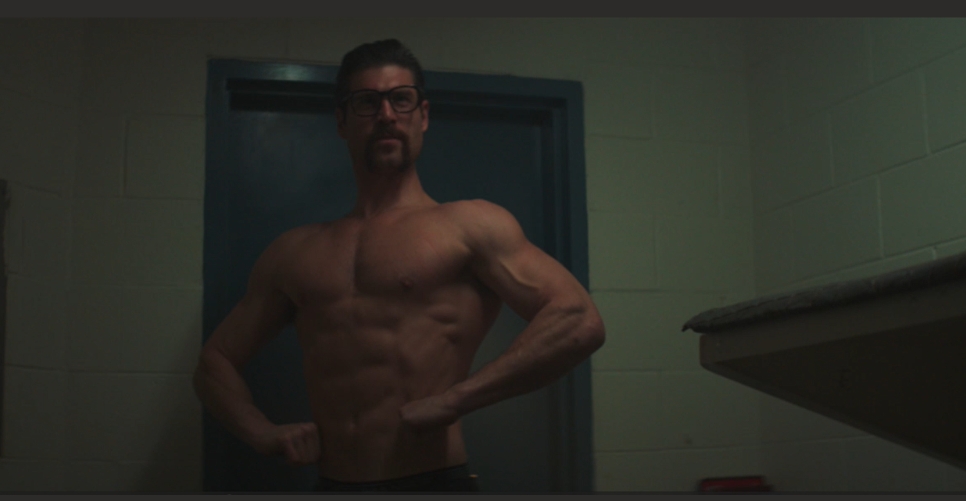
6.The Mr. Olympia dream is almost tragically American. The idea that if you just work hard enough and want it badly enough, you can become anything. Does Gym Rat believe that myth is inspiring, destructive, or both?
Both. Ambition and discipline can absolutely transform lives for the better. I’m a huge believer in that. But the film asks what happens when achievement becomes your entire identity or your solution to emotional suffering. And what if you have to face the reality that your dream isn’t achievable.
7.Will it shape you or destroy you?
The dream itself isn’t the villain. It’s what you’re asking that dream to do for you. External success will not make you worthy, loved or whole. Those beliefs have to be learned and shaped in concert with your journey not a result of achieving some goal or image. So the goal should just be the arena you are learning the lessons of life in, not your god.
8.Lou Ferrigno appearing as himself is a pretty bold storytelling choice. From an audience perspective, what do you think it does to the film to have that real-world icon colliding with Lonnie’s fictional reality?
It gives the story this almost mythic quality because Lou exists simultaneously as a real person and as this symbolic figure in Lonnie’s imagination. I think his fans who know him best from his iconic bodybuilding documentary and beloved superhero series, will really feel both the nostalgia and surprise from that blurring of lines between fantasy and reality. Based on our first few festival screenings, people are really finding the humor in it too which is fantastic to see!The film is described as a cautionary tale, but also one of hope. Who do you think this film is really for? Is there a specific person or experience you kept in mind while making it? While making the film I had two kinds of people in mind. The first is the outsiders, the misunderstood “freaks.” To capture that heart and sacrifice done in isolation for an ideal. To help those people feel seen in their private war and to illuminate both the humanity and spirit that can get ignored in the process. The second was the people who do feel like they belong and to give them a chance to see behind the curtain of one of those misfits. To show something empathetic about those who seem weird, awkward or scary at first glance. One of the best compliments I’ve gotten so far was from my acting teacher Carol Fox Prescott who sighed deeply as she said it was so apparent how much love I had for this man Lonnie. But actually my mission with the film has become much clearer after finishing it. We lost two guys way too young from the bodybuilding scene I had the privilege of working with on the film. Gym Rat is dedicated in memory to them. And now having partnered with Dr. Thomas O’Connor and the Taylor Hooton Foundation, hearing the stories they deal with every day, these issues of addiction, abuse and mental health have become so personal to me. I want the film to be a platform and a flashpoint for conversation around these subjects. We hope it leads to a reduction in harm and offers some hope. If it helps even a few young men from doing something reckless it will have been well worth it.
9.What’s next for you, and where can audiences find you?
Right now, a big focus is building momentum toward the release of Gym Rat and continuing conversations and programs around the film. Beyond that, I have several projects in different stages as both an actor and a producer, including an allegorical suspense film, an action-comedy, a biblical epic and a sci-fi/horror project. Audiences can follow updates through the official Gym Rat channels and my social platforms as we announce festival screenings, release news and upcoming work. Instagram is best!
https://www.instagram.com/joshmurrayactor
https://www.instagram.com/gymratmovie/
Gym Rat Trailer:
 VENTS MAGAZINE